
Description
Power cuts never send a warning. One second you are closing a sale, and the next your screen goes dark. A reliable UPS battery turns that moment into a non-event.
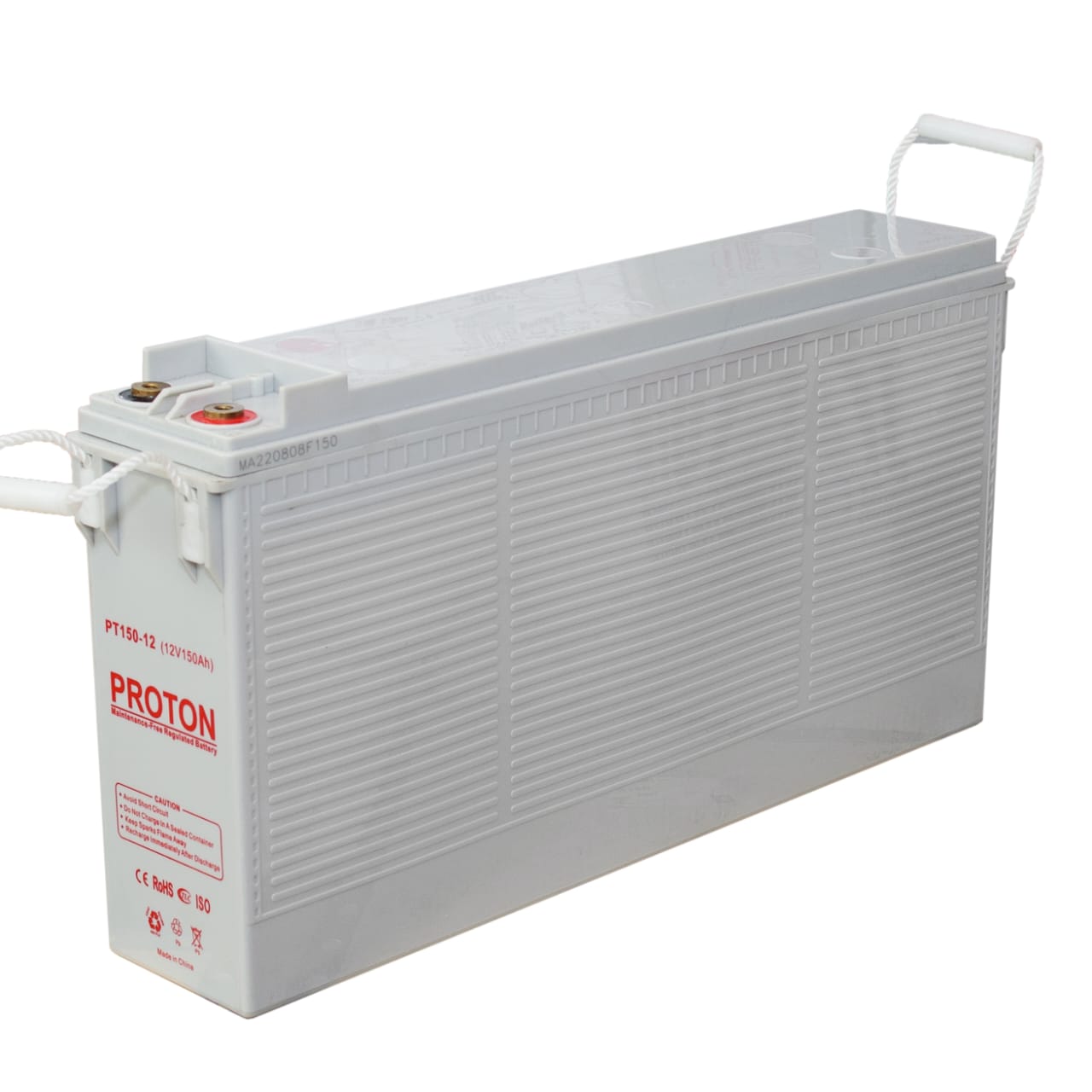
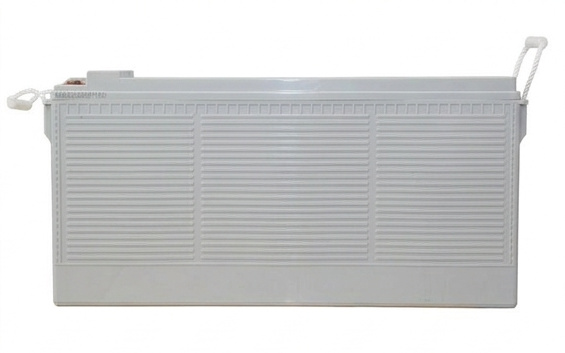
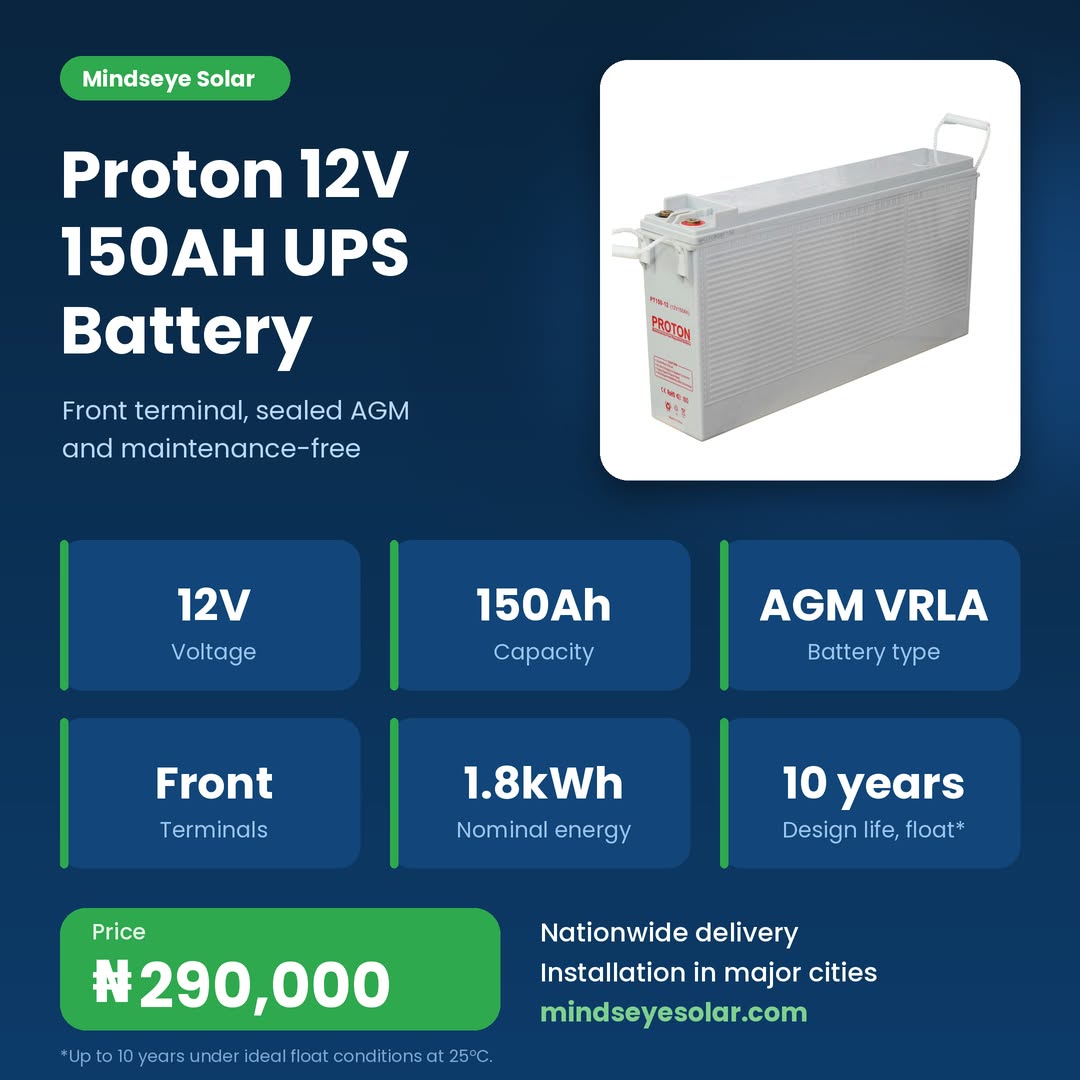
The Proton 12V 150AH FT AGM VRLA battery is built for exactly this job. It is a sealed, maintenance-free UPS battery with front terminals. That design fits slim racks and tight cabinets with ease.
We have seen many buyers pick the cheapest battery, then replace it within a year. This guide helps you avoid that mistake. You will learn the specs, real run times, charging rules, and care habits. By the end, you will know if it suits your UPS power supply.
7 Proven Reasons to Choose This UPS Battery
Let us look at why this model earns its place in homes, shops, and server rooms.
1. Front Terminals Make Installation Easy
Most batteries hide their terminals on top. That forces you to leave extra headroom above each unit.
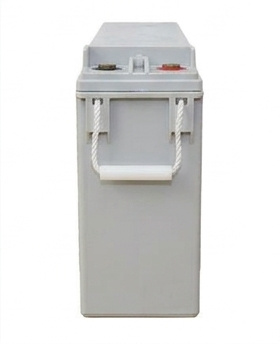
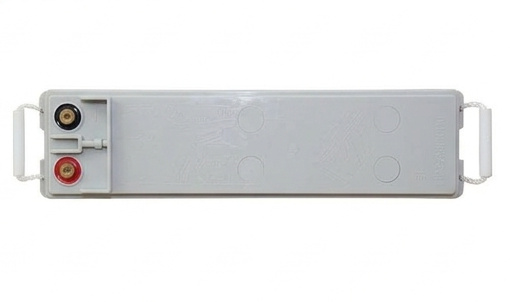
This UPS battery places both terminals on the front. You can slide it into a rack, connect cables, and tighten bolts without lifting anything. Technicians save time. Cabinets stay tidy.
2. A Sealed AGM Design Means Zero Topping Up
The electrolyte sits inside glass mat separators. It stays absorbed, so it cannot slosh or spill.
You never add water to this battery. That removes a common failure cause in flooded batteries. It also makes the unit safer for offices and homes.
3. 150Ah Capacity Delivers Hours of Backup
A 12V 150Ah block stores about 1.8kWh. At 50% depth of discharge, you can draw about 0.9kWh from it.
That is enough to run a router, a laptop, and lights for many hours. In a pair, these units can carry a full office desk setup through long outages.
4. Low Self-Discharge Keeps the UPS Battery Ready
AGM cells lose charge slowly while idle. A healthy unit loses roughly 3% per month at 25°C.
This matters for standby duty. The battery sits on float charge for weeks, then must deliver in seconds.
5. Spill-Proof Build Gives Flexible Mounting
Because the acid is absorbed, this UPS battery can sit upright or lie on its side. Always follow the manufacturer’s mounting guidance for the exact model.
That flexibility helps in cramped spaces. It also lowers leak risk during transport.
6. Built-In Safety Valves Protect Your Space
VRLA means valve regulated lead acid. One-way pressure valves release gas only if internal pressure rises too high. Then they reseal.
This keeps oxygen recombination efficient. It also makes the battery safe for indoor use with normal ventilation.
7. Strong Value Against Lithium Options
Lithium batteries last longer, yet they cost far more upfront. For a standby UPS power supply, an AGM unit often wins on price per kWh.
If your outages are short and your budget is firm, this UPS battery is the smart buy.
Proton 12V 150AH UPS Battery Specifications
Use this table when you size your system. Values marked typical follow standard AGM VRLA practice at 25°C.
| Specification | Value |
|---|---|
| Nominal voltage | 12V |
| Rated capacity | 150Ah |
| Battery type | FT AGM VRLA |
| Float charge voltage (typical) | 13.5V to 13.8V |
| Cycle charge voltage (typical) | 14.4V to 14.8V |
| Recommended depth of discharge | Up to 50% for long life |
| Ideal ambient temperature | 20°C to 25°C |
| Design life (float, 25°C) | Up to 10 years under ideal care |
| Self-discharge (typical) | About 3% per month |
| Series connection | Yes, for 24V and 48V banks |
| Parallel connection | Yes, for more capacity |
Design life is a rating under ideal conditions. Heat and deep discharges shorten it. We explain how to protect it later in this guide.
What Makes a Front Terminal AGM Battery Different
Not every battery behaves the same. Knowing the differences helps you buy once and buy right.
How AGM Technology Works Inside Your UPS Battery
An AGM battery packs fine glass fiber mats between lead plates. The mats hold electrolyte like a sponge.
This gives low internal resistance. A battery with low resistance delivers high current fast. That is vital when a UPS switches over during a blackout.
You can read the science in this Battery University guide to lead acid batteries.
Why Front Access Matters in a UPS Power Supply Cabinet
Many UPS power supply cabinets stack batteries on shelves. Top terminals clash with the shelf above.
Front terminals solve that. You reach every connection from one side. Inspections become quick, and loose links get caught early.
VRLA Explained in Plain Words
VRLA stands for valve regulated lead acid. The battery is sealed. Gas produced during charging recombines into water inside the cell.
That is why you never refill it. For a deeper definition, see this Wikipedia entry on VRLA batteries.
How Long Will This UPS Battery Run Your Load?
Run time is the question we hear most. The formula is simple.
Run time (hours) = Battery voltage x Ah x depth of discharge x inverter efficiency ÷ load in watts
We use 50% depth of discharge and 85% efficiency. These are realistic, protective numbers.
Run Time with One 12V 150AH Battery
One unit offers about 0.77kWh of real usable energy under those assumptions.
| Load | Typical devices | Approximate run time |
|---|---|---|
| 100W | Router, LED lights, phone chargers | 7.7 hours |
| 300W | Laptop, router, TV, fans | 2.6 hours |
| 500W | Desktop PC, monitor, CCTV | 1.5 hours |
| 800W | Small freezer plus lights | 1.0 hours |
These figures show why one UPS battery suits light loads best.
Run Time with Two Units in Series (24V)
Two units in series give 24V and 150Ah. That stores 3.6kWh nominal and about 1.53kWh usable.
| Load | Typical devices | Approximate run time |
|---|---|---|
| 300W | Home office and lights | 5.1 hours |
| 600W | Office with printer and router | 2.6 hours |
| 1000W | Small shop with fridge | 1.5 hours |
| 1500W | Shop with several appliances | 1.0 hours |
Need more time? Add more batteries in parallel. Each extra string of the same battery adds capacity.
Matching the UPS Battery to Your UPS Power Supply
A mismatch wastes money and can damage equipment. Check three things before you buy.
Step 1: Confirm the System Voltage
Your UPS power supply runs on 12V, 24V, 36V, or 48V DC. The label on the unit tells you.
- 12V system: one battery
- 24V system: two in series
- 36V system: three in series
- 48V system: four in series
Step 2: Check the Charger Current
A good rule is to charge at 10% to 20% of the Ah rating. For 150Ah, that means 15A to 30A.
A weak charger leaves the UPS battery undercharged. That causes sulphation, which kills capacity.
Step 3: Match Battery Age and Brand
Never mix old and new batteries in one bank. The weaker unit drags the others down.
Buy the full set together. Keep every battery in the bank identical.
New to sizing? Our solar and load calculator helps you total your watts before buying.
Where to Use a 150AH UPS Battery
This model is flexible. Here are the best-fit applications.
Homes and Home Offices
Remote work needs steady power. A 24V pair of this battery keeps your laptop, router, and lights alive through most outages.
Shops and POS Terminals
A failed sale loses trust. A dependable UPS battery keeps card machines, tills, and routers on.
Servers and Network Rooms
Servers need clean shutdowns. A UPS power supply with fresh batteries gives you the minutes you need to save data.
CCTV and Security Systems
Cameras must record during blackouts. A single 12V 150AH battery can run a small DVR and four cameras for many hours.
Telecom and Base Stations
Front terminal AGM units are common in telecom shelters. The slim shape fits 19 inch and 23 inch racks.
Clinics and Pharmacies
Medicine fridges and diagnostic tools need steady current. A larger bank of this UPS battery protects both.
Solar Backup Systems
You can pair this battery with an inverter and panels. See our 5kVA complete solar system if you want a full package with lithium storage.
Charging Your UPS Battery Correctly
Charging habits decide battery life. Follow these rules and you gain years.
Use the Right Voltage
Float voltage should stay between 13.5V and 13.8V per 12V block. Higher values cook the cells.
Cycle charging uses 14.4V to 14.8V. Do not hold that level for long.
Use Temperature Compensation
Heat raises charge acceptance. Cold lowers it. Good chargers adjust voltage by about 3mV per cell per degree Celsius.
If your charger lacks this, keep the battery in a cool room.
Recharge Immediately After Use
Leaving a UPS battery discharged for days causes permanent sulphation. Recharge it as soon as mains power returns.
The label on the battery says the same. Recharge immediately after discharge.
Avoid Deep Discharge
A deeply drained lead acid battery loses cycle life fast. Stay above 50% state of charge when you can.
Battery University explains this clearly in its guide to prolonging lead acid batteries.
Battery Maintenance Tips That Add Years
AGM units are low maintenance. They are not no maintenance. A few habits pay off.
- Inspect terminals every three months for corrosion or looseness.
- Torque terminal bolts to the maker’s value. Loose links create heat.
- Wipe the case with a dry cloth. Dust can hold moisture and leak current.
- Record voltage monthly. A sudden drop signals a failing cell.
- Run a controlled discharge test once a year.
- Replace the whole bank when capacity falls below 80%.
Keep Your Battery Cool
Heat is the biggest enemy. Every 8°C to 10°C above 25°C can cut service life by about half.
Place the UPS battery away from windows, generators, and direct sun. Allow airflow around the case.
Check Float Voltage Across the Bank
Measure each block in a series string. A gap of more than 0.3V between blocks signals trouble.
Catch it early. One weak battery can ruin the entire string.
Safe Installation of a UPS Battery
This battery is heavy. Use two people and proper lifting aids.
Before You Start
- Switch off the UPS and isolate the mains.
- Remove rings, watches, and metal jewelry.
- Use insulated spanners.
- Keep sparks and open flames away.
Connection Order
Connect the positive terminal first on a new bank. Then connect the negative terminal. Reverse the order when removing.
Use cables sized for the current. Undersized cables overheat and waste energy.
Ventilation
Sealed batteries emit little gas in normal use. Still, give the UPS battery open air. Never seal it inside an airtight box.
Fusing
Fit a DC fuse or breaker close to the battery. It protects wiring from a short circuit.
A shorted UPS battery can release enormous current in milliseconds. Fusing is not optional.
How to Choose the Right UPS Battery in Nigeria
Our climate is tough on batteries. Heat, dust, and unstable grid power all play a part.
Check the Capacity Against Your Load
Add the watts of every device you need on backup. Multiply by the hours you want. Divide by usable energy.
If the result is more than one battery, add units in parallel or series.
Buy from a Seller That Stocks Genuine Units
Fake labels are common. Ask for the model number, batch code, and warranty terms in writing.
A genuine unit carries a clear batch code on the case. Photograph it at delivery.
Ask About Warranty and After-Sales Support
A seller who stands behind the product is worth a small premium. Ask who handles claims and how fast.
Consider Delivery and Handling
These units are heavy. A careless courier can crack a case. Confirm packaging before you pay.
Proton AGM UPS Battery vs Tubular and Lithium
Which chemistry fits you? This table compares the three common choices.
| Factor | AGM VRLA (this model) | Tubular flooded | Lithium (LiFePO4) |
|---|---|---|---|
| Upfront cost | Medium | Low to medium | High |
| Maintenance | None | Regular water top-ups | None |
| Usable depth of discharge | About 50% | About 50% | 80% to 90% |
| Cycle life | Moderate | Good | Excellent |
| Spill risk | Very low | High | None |
| Best for | Standby UPS duty | Daily cycling solar | Heavy daily cycling |
For standby duty, an AGM unit is hard to beat. You get low upkeep and a fair price.
If you cycle daily with solar, lithium may pay back sooner. Browse options in our online shop.
Common Mistakes That Kill a UPS Battery
Avoid these errors. They are the top causes of early failure.
- Mixing old and new batteries. The weakest unit sets the limit.
- Using a car charger. It lacks float control and can overcharge.
- Overloading the UPS. Constant overload drains the battery fast.
- Ignoring heat. Hot rooms halve battery life.
- Skipping recharge after outages. Sulphation builds quickly.
- Loose terminals. They cause heat, voltage drop, and sparks.
Fix these and your UPS battery will reach its rated life.
Why Buy a UPS Battery from Mindseye Solar
We sell solar and backup power equipment across Nigeria. Our team tests the numbers before we recommend anything.
Here is what you get:
- Genuine Proton stock with batch codes you can verify.
- Honest sizing advice for your exact load.
- Delivery nationwide, with careful handling.
- Support for installation in major Nigerian cities.
- Warranty guidance and after-sales help.
We would rather size you correctly than sell you the wrong battery. Read more tips on our power backup blog before you decide.
You can also learn how a UPS works in this overview of uninterruptible power supplies.
Frequently Asked Questions About the UPS Battery
What is a UPS battery?
A UPS battery stores DC energy and feeds your UPS when mains power fails. It keeps computers, routers, and servers running for minutes or hours, which protects both your data and your equipment.
How long does a 12V 150AH UPS battery last on a 500W load?
A single 12V 150AH battery runs a 500W load for about 1.5 hours. That estimate assumes 50% depth of discharge and 85% inverter efficiency, which protects the battery’s long-term health.
Can I use this UPS battery with a 24V UPS power supply?
Yes. Connect two identical batteries in series to reach 24V. For a 48V system, connect four. Never mix old and new units, because the weakest battery limits the entire bank.
How many years will a Proton AGM battery last?
Under ideal float conditions at 25°C, a quality AGM UPS battery can serve up to 10 years. Heat, deep discharges, and poor charging shorten that. Cool rooms and correct voltage extend it.
Does this battery need water?
No. The sealed VRLA design recombines gas into water inside the cell. Opening the valves breaks that process and voids the warranty, so never try to add water or acid.
Can I use this UPS battery for solar storage?
Yes, for light or occasional use. Pair it with a charge controller or hybrid inverter set to AGM profile. For daily heavy cycling, a lithium bank gives a longer service life.
Final Verdict: Is This the Right UPS Battery for You?
The Proton 12V 150AH FT AGM VRLA battery gives you a strong mix of capacity, safety, and easy installation. Front terminals simplify wiring. The sealed design removes upkeep.
If you run a home office, shop, CCTV system, or server room, this UPS battery is a practical choice. Size your bank with the tables above. Charge it correctly. Keep it cool.
Ready to order? Contact Mindseye Solar for current pricing, stock, and delivery. We will help you pick the right UPS battery and the right UPS power supply setup the first time.