
Description
Lithium Battery Price in Nigeria: 7 Proven Reasons LEOCH Wins
We get asked about lithium battery price almost every day at Mindseye Solar. Customers want a straight answer, not a sales pitch. So here is one.
A quality 16kWh lithium battery in Nigeria today typically sits between ₦2.6 million and ₦3.8 million, depending on brand, cycle rating, and warranty terms. That range covers a real difference in what you get. Some batteries in that bracket last eight years. Others fade within three.
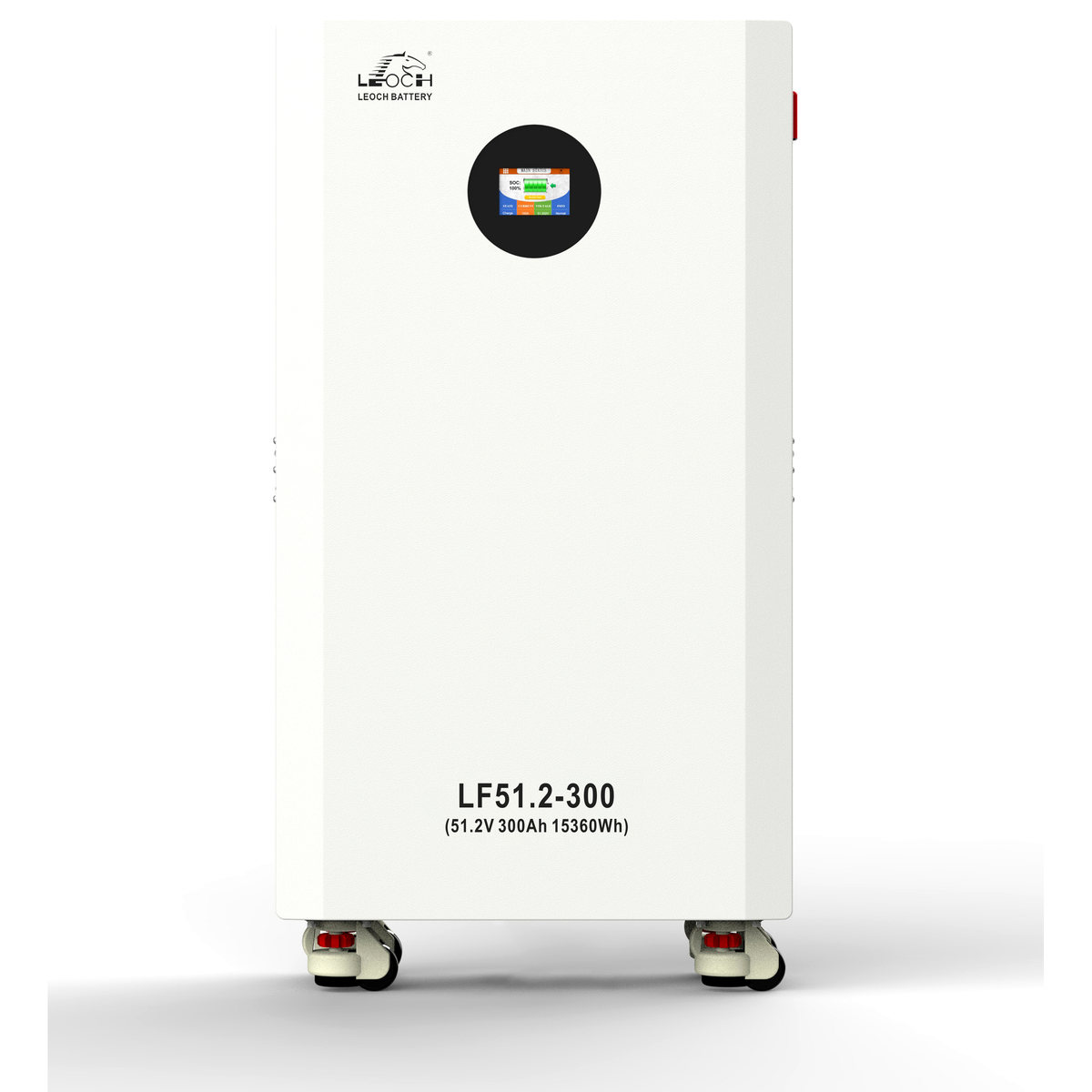
The LEOCH LF51.2-300 sits at the strong end of that range. In this guide, we walk through exactly why, using the real specification sheet, real Nigerian operating conditions, and honest comparisons rather than vague marketing language.
Why Lithium Battery Price Confuses So Many Buyers
Ask five vendors for a lithium battery price quote and you will likely get five different numbers. That is not dishonesty. It reflects genuine differences in chemistry grade, cycle life, warranty depth, and build quality hiding behind the same “16kWh” label.
A battery’s kWh rating tells you almost nothing about how long it will last or how much of that capacity you can actually use. Two batteries can share the same headline number and differ wildly in real value.
This is exactly the confusion the LEOCH LF51.2-300 was engineered to remove. Every spec on this battery is published, tested, and verifiable, which is rare in a market where many quotes still arrive as a single lump sum with no breakdown.
1. The LF51.2-300 Justifies Its Lithium Battery Price With Real LiFePO4 Chemistry
The LF51.2-300 uses Lithium Iron Phosphate, LiFePO4, chemistry. This is the safest lithium chemistry currently sold for residential and commercial energy storage.
LiFePO4 does not carry the thermal runaway risk associated with older lithium cobalt chemistries. That matters enormously in Nigeria, where ambient temperatures regularly climb past 33°C and battery enclosures can run even hotter without proper ventilation.
Cheaper batteries sometimes use lower grade lithium chemistry to hit a lower lithium battery price point. The trade off is real. Lower grade cells degrade faster, tolerate less heat, and carry a higher safety risk over years of daily cycling.
2. Usable Capacity, Not Just Rated Capacity
The LF51.2-300 delivers 16.08kWh of usable energy capacity. That word “usable” is the detail most vendors leave out of a lithium battery price conversation.
Many batteries advertise a rated capacity that assumes near total discharge, a condition that shortens lifespan dramatically if followed in real use. The LF51.2-300’s 314Ah rated capacity at 51.2V nominal voltage is specified to deliver genuine usable energy at a safe depth of discharge, up to 80 percent, without accelerating degradation.
In practical terms, this battery will actually power your fridge, lighting, fans, and electronics for the hours its spec sheet promises. Not a discounted version of that number once real world limits kick in.
3. Cycle Life That Actually Matches the Lithium Battery Price You Pay
Here is a number worth sitting with. The LF51.2-300 is rated for 6,000 or more cycles at 80 percent depth of discharge.
Compare that to a typical lead-acid or tubular battery, rated for 1,000 to 1,500 cycles at only 50 percent depth of discharge. Under daily cycling, common in Nigeria given grid instability, that gap compounds fast.
A 6,000 cycle battery used once daily lasts over 16 years in theory. Even accounting for real-world variance, an 8 to 10 year practical lifespan is realistic. That single fact changes the entire lithium battery price conversation from “what does it cost today” to “what does it cost per year of actual use.”
A Quick Cost Per Cycle Comparison
| Battery type | Usable capacity | Rated cycles | Typical price | Cost per usable kWh per cycle |
|---|---|---|---|---|
| Tubular lead-acid (16kWh rated) | ~8kWh | 1,000 | ₦900,000 | ₦0.1125 |
| Budget lithium (16kWh rated) | ~12.8kWh | 2,000 | ₦2,200,000 | ₦0.086 |
| LEOCH LF51.2-300 (16kWh rated) | 16.08kWh | 6,000+ | ₦2.6M – ₦3.8M | ₦0.027 – ₦0.039 |
The number that matters most is the last column. It shows the true cost of every unit of energy this battery delivers across its lifetime, and it is where the LF51.2-300 pulls decisively ahead.
4. Inverter Compatibility Without the Guesswork
A battery is only as good as the inverter it talks to. This is where a lot of otherwise solid lithium battery price comparisons fall apart, because compatibility rarely gets mentioned until installation day.
The LF51.2-300 is confirmed compatible with the inverter brands most common in the Nigerian market. That list includes Sunmagic, Fivestar, Alp-Solar, Growatt, Victron, Solis, Schneider, GoodWe, Lux, Voltronic, and Sorotec, among others.
This wide compatibility matters if you already own an inverter and simply need to add or upgrade your battery. You are not locked into buying a whole new system just to make the chemistry work.
5. A Built-In BMS That Actually Protects Your Investment
Every LF51.2-300 unit includes a Battery Management System, BMS, that actively protects the cells from the conditions most likely to shorten their life.
The BMS handles charge and discharge protection, over-voltage and under-voltage protection, and continuous temperature monitoring. It communicates over RS485, RS232, or CAN protocols, so a properly configured inverter can read the battery’s real-time state directly.
A built-in LCD screen shows voltage, current, and temperature at a glance. You do not need a technician on-site just to check whether the battery is healthy.
This level of active protection is a meaningful part of what you are actually paying for in the lithium battery price of a unit like this. A passive battery with no BMS communication leaves your inverter guessing.
6. Built to Scale With Your Actual Energy Needs
The LF51.2-300 supports up to 15 units wired in parallel. That means a single household or business can scale from 16kWh today to well over 240kWh later, without replacing the original battery or starting the system design over.
This matters for two groups in particular. Growing businesses that expect their load to increase over the next few years. And homeowners who want to start with essential backup now and add full whole-home coverage later, once budget allows.
Scalability like this protects your original investment. You are not paying a second lithium battery price from scratch when your needs grow, you are simply adding to what you already own.
7. Engineered Specifically for Nigerian Climate Conditions
A lot of battery specification sheets are written for temperate climates and quietly underperform once installed in West African heat. The LF51.2-300 was not.
Its rated operating windows include a charging temperature range of 0°C to plus 45°C, a discharging range of minus 10°C to plus 55°C, and a storage range extending to plus 60°C. That headroom matters on a hot Lagos afternoon inside a poorly ventilated equipment room.
The casing is SPCC steel, rated IP31, giving genuine structural durability against dust and light environmental exposure. This is not a battery built for a mild climate and shipped here regardless.
What the 10-Year Warranty Actually Means for Lithium Battery Price Value
The LF51.2-300 carries a 10-year OEM manufacturer warranty. That is not a marketing footnote, it is a direct statement of confidence in the cell quality and BMS design.
A shorter warranty on a competing product is not always a red flag by itself. But paired with a similar lithium battery price and a lower cycle rating, it usually signals a manufacturer unwilling to stand behind the same long-term promise LEOCH makes here.
When you divide the lithium battery price of the LF51.2-300 across a realistic 10 to 15 year service life, the annual cost of ownership compares favorably against cheaper batteries that need replacing two or three times over the same period.
How This Battery Fits Into a Full Solar System
The LF51.2-300 is a battery pack, not a complete solar system on its own. It needs to be paired with a compatible hybrid inverter and, ideally, a properly sized solar array to recharge it daily.
For a deeper breakdown of how battery cost fits into total system pricing, see our guide on the cost of solar power in Nigeria. If you are specifically comparing chemistries before you buy, our article on lithium versus tubular batteries walks through the real five-year cost difference in detail.
For sizing a full inverter and battery combination around your household load, our 5kVA solar system cost guide is a useful next stop.
Certifications and Standards Worth Checking
Before buying any lithium battery, it is worth understanding the safety standards a reputable product should meet. IEC 62619 is the international safety standard for lithium cells used in industrial and stationary energy storage applications, and it is the benchmark we recommend every buyer ask about.
For a broader look at how lithium battery costs are trending globally, BloombergNEF’s annual battery price survey tracks cell pricing trends that eventually filter down to markets like Nigeria through import costs.
Installation should always be handled by properly qualified technicians. COREN, the Council for the Regulation of Engineering in Nigeria, maintains registration standards for engineers carrying out solar PV installations, and checking an installer’s registration is a reasonable step before any purchase this size.
Getting a Fair Lithium Battery Price Quote
Do not accept a single lump sum figure from any vendor. Ask for the usable capacity, not just the rated capacity. Ask for the cycle count and the depth of discharge it was tested at. Ask which inverters the battery has been confirmed to work with. And ask what the warranty actually guarantees, not just how many years it runs.
A battery like the LF51.2-300 answers all four questions clearly, on paper, before you even ask. That transparency is itself part of what a fair lithium battery price should include.
How Battery Grade Affects the Lithium Battery Price You See
Not every LiFePO4 cell is manufactured to the same standard, even within the same broad chemistry category. Grade A cells go through tighter quality control during manufacturing, more consistent internal resistance across the pack, and stricter testing before they ever leave the factory floor.
Grade B or downgraded cells often end up in cheaper battery packs sold at a lower lithium battery price, and they can look identical on the outside. The difference only becomes obvious after a year or two of use, when capacity fade accelerates faster than the spec sheet implied.
This is one reason we always recommend asking a vendor directly what cell grade a battery uses, and whether they can provide a manufacturer’s test report. A reputable supplier will not hesitate to share this information.
Understanding the LF51.2-300 Model Naming
You may see this battery listed under two closely related model codes: LF51.2-300 and LFELI-51300H-S-EN. These refer to the same underlying product family from LEOCH, with the second code representing the fuller technical model designation used in official documentation and export paperwork.
Knowing both names helps when comparing quotes or verifying authenticity with a supplier, since some invoices reference the shorter commercial name while technical datasheets reference the longer internal code.
Real Household Use Case: What 16kWh Actually Powers
Numbers on a spec sheet are only useful once you translate them into daily life. A 16.08kWh usable capacity, drawn down at a sensible daily rate, comfortably covers a mid-size Nigerian household running a refrigerator continuously, multiple ceiling fans, LED lighting throughout the home, several televisions, a Wi-Fi router and Starlink dish, laptops and phone charging, and one inverter-type air conditioning unit for several hours overnight.
For a small business or clinic, that same 16kWh bank can carry essential lighting, diagnostic equipment, a vaccine refrigerator, computers, and point-of-sale systems through a full overnight outage without drawing on backup fuel at all.
This is the practical translation behind every lithium battery price discussion. The number on the invoice only means something once you know what it will actually keep running when the grid goes down.
Common Questions to Ask Before You Compare Any Lithium Battery Price
Before comparing quotes from different vendors, gather answers to these five questions for each battery under consideration. It will save you from comparing numbers that are not actually equivalent.
First, what is the usable capacity at your intended depth of discharge, not simply the rated capacity printed on the box. Second, what cycle count is the battery rated for, and at what depth of discharge was that figure tested. Third, which specific inverter models has the battery been confirmed to communicate with, not just claimed to be broadly compatible with.
Fourth, what does the warranty actually guarantee, a minimum retained capacity after a stated number of years, or only protection against outright manufacturing defects. Fifth, what cell grade does the battery use, and can the vendor provide documentation to support that claim.
A vendor who answers all five clearly and promptly is far more likely to be quoting you a lithium battery price that reflects genuine long-term value.
What the LEOCH LF51.2-300 Costs Per Year of Ownership
Spreading the LF51.2-300’s lithium battery price across its realistic service life puts the investment into clearer perspective. At a purchase price of roughly ₦3.2 million and an expected 10-year practical lifespan, the effective annual cost works out to approximately ₦320,000 per year, before accounting for the fuel savings the battery enables in the first place.
Compare that to a tubular bank purchased at ₦900,000 but requiring replacement every 18 to 24 months under typical Nigerian conditions. Over the same 10-year window, that household would purchase five to six replacement banks, bringing total spend to ₦4.5 million to ₦5.4 million, well above the LF51.2-300’s single upfront cost, and with none of the added convenience of avoiding repeated installation visits.
Where to Buy the LEOCH LF51.2-300 in Nigeria
Mindseye Solar stocks the LEOCH LF51.2-300 16kWh LiFePO4 battery with full manufacturer warranty backing and installation support across Lagos and beyond. We are happy to walk you through sizing, inverter compatibility, and financing options before you commit to a purchase.
Call or WhatsApp us on 0814 596 4127, or visit mindseyesolar.com to get a free consultation.
Frequently Asked Questions
What is a fair lithium battery price for a 16kWh system in Nigeria?
A fair lithium battery price for a genuine 16kWh LiFePO4 system currently sits between ₦2.6 million and ₦3.8 million, depending on cycle rating, brand reputation, and warranty depth. Prices below this range often signal reduced cycle life or lower grade cells.
Why does the LEOCH LF51.2-300 cost more than some other 16kWh batteries?
The higher lithium battery price reflects a genuinely higher usable capacity, a 6,000 plus cycle rating, an active BMS with real-time monitoring, and a 10-year OEM warranty. Cheaper alternatives often cut one or more of these specifications to hit a lower price point.
Which inverters work with the LEOCH LF51.2-300?
The LF51.2-300 is confirmed compatible with Sunmagic, Fivestar, Alp-Solar, Growatt, Victron, Solis, Schneider, GoodWe, Lux, Voltronic, Sorotec, and other mainstream inverter brands sold in Nigeria.
How long does the LEOCH LF51.2-300 actually last?
Rated for 6,000 or more cycles at 80 percent depth of discharge, this battery can realistically deliver 8 to 15 years of daily use, backed by a 10-year OEM manufacturer warranty.
Can I expand my battery capacity later if I start with one LF51.2-300 unit?
Yes. The system supports up to 15 units wired in parallel, allowing capacity to grow from 16kWh to well over 240kWh as your energy needs increase, without replacing your original battery.
Is a higher lithium battery price always better value?
Not automatically, but usable capacity, cycle life, and warranty terms should always be weighed against price rather than price alone. A battery with a higher upfront lithium battery price but a longer verified lifespan frequently costs less per year of actual use.