
Description
7 Powerful Benefits of the 590W Solar Panel for Efficient Solar Energy
If you are planning a serious solar installation, the 590w solar panel is worth considering when you want high power output without unnecessarily increasing the number of modules on your roof or mounting structure.
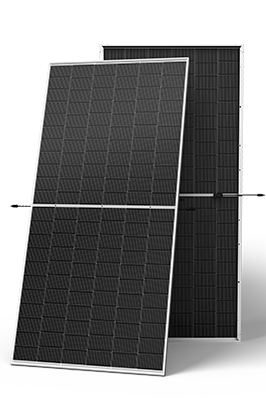
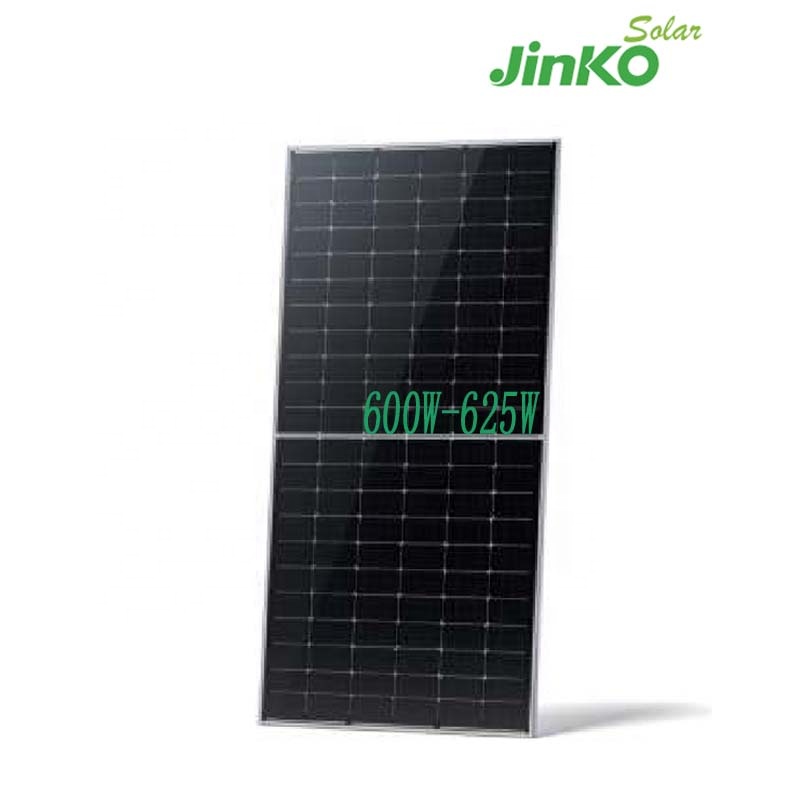
The Jinko Tiger Neo N-Type 590W combines high wattage with N-Type TOPCon cell technology, SMBB engineering, HOT 2.0 technology and long-term performance protection. The result is a module designed for residential, commercial and larger solar installations.
At Mindseye Solar, we look beyond the wattage printed on a panel. The important questions are how much energy the module can generate, how it performs in heat, how many modules your system requires, and what the equipment can deliver over its useful life.
That is where the Jinko 590W becomes particularly interesting.
View the Jinko 590W Solar Panel at Mindseye Solar
Jinko 590W Solar Panel Specifications
The 590w solar panel listed by Mindseye Solar uses Jinko’s Tiger Neo N-Type technology and is specified for high-output solar applications.
| Specification | Jinko 590W |
|---|---|
| Rated power | 590W |
| Cell technology | N-Type TOPCon |
| Cell configuration | 78 / 156 half-cut cells |
| Module efficiency | 21.11% |
| Maximum power voltage | 44.91V |
| Maximum power current | 13.14A |
| Open-circuit voltage | 54.76V |
| Short-circuit current | 13.91A |
| Maximum system voltage | 1500V DC |
| Power tolerance | 0 to +3% |
| Junction box | IP68 |
| Wind load | 2400 Pa |
| Mechanical load | 5400 Pa |
| Product warranty | 12 years |
| Linear power warranty | 30 years |
These figures are based on the product information currently published for the module. Always confirm the exact electrical characteristics against the manufacturer’s datasheet before final string design or installation.
Why N-Type Technology Matters
One of the biggest advantages of this 590w solar panel is its N-Type TOPCon cell architecture.
N-Type technology is designed to reduce degradation mechanisms associated with conventional solar cell technologies. Jinko’s Tiger Neo documentation highlights reduced LID and LETID, improved temperature performance and strong low-light generation.
For a solar installation, this matters because the nameplate rating is only part of the story.
You want a module that continues producing useful energy after years of exposure to sunlight, heat, humidity and changing weather conditions.
Jinko’s published Tiger Neo information also identifies a low temperature coefficient as one of the technology’s advantages. This is particularly relevant in hot environments because PV modules generally produce less power as their cell temperature increases.
SMBB Technology for Better Current Collection
The 590w solar panel also uses Super Multi-Busbar, or SMBB, technology.
The purpose of SMBB is to improve current collection within the module while helping reduce electrical losses. Jinko identifies SMBB as a technology intended to improve light trapping, current collection, power output and reliability.
For the buyer, this is more useful than simply knowing that the panel has a particular number of busbars.
Better internal current collection contributes to efficient operation of the module and supports the high power rating.
HOT 2.0 Technology
Another important feature of the 590w solar panel is Jinko’s HOT 2.0 technology.
Jinko describes HOT 2.0 as part of its N-Type module technology, with benefits including improved reliability and lower LID and LETID.
This is particularly relevant when solar equipment is installed in hot climates.
Nigeria, for example, experiences high temperatures across much of the country. A solar module’s performance should therefore be considered under real operating conditions rather than only under laboratory Standard Test Conditions.
590W Output in a Single Module
The headline feature of the 590w solar panel is straightforward.
One module is rated at 590 watts under its specified test conditions.
That high module output can reduce the number of panels required for a particular PV capacity.
For example, approximately 10 panels provide:
10 × 590W = 5,900W
That is a 5.9kWp array before considering real-world losses, orientation, temperature, shading and other system factors.
Likewise:
20 × 590W = 11,800W
So a 20-panel array provides approximately 11.8kWp of installed DC capacity.
The actual energy produced will depend on solar irradiation, panel orientation, temperature, shading, system losses and inverter performance.
Positive Power Tolerance
The 590w solar panel is specified with a positive power tolerance of 0 to +3%.
This means the rated output is not designed around a negative tolerance range.
A positive tolerance is useful when purchasing multiple modules because the manufacturer is specifying a permitted output range above the nominal rating rather than allowing the module to fall below its nameplate rating within that tolerance.
Jinko’s Tiger Neo documentation lists a 0 to +3% positive power tolerance.
Strong Resistance to Environmental Stress
A 590w solar panel installed outdoors must deal with much more than sunlight.
Solar modules face wind, rain, dust, humidity, temperature changes and mechanical stress throughout their operating life.
The Jinko specification lists 2400 Pa wind load and 5400 Pa mechanical or snow load ratings. It also uses an IP68-rated junction box according to the Mindseye product listing.
These specifications are important when designing mounting systems.
However, the panel rating should never be interpreted as permission to ignore proper structural engineering. Rail spacing, clamps, roof condition, mounting orientation and local environmental conditions all matter.
30-Year Linear Power Warranty
Long-term degradation is one of the most important considerations when buying solar panels.
The 590w solar panel is listed with a 12-year product workmanship warranty and a 30-year linear power guarantee. Jinko’s relevant Tiger Neo documentation specifies 0.40% annual linear degradation after the initial warranty period and a guaranteed power level of 87.4% at year 30 for the referenced series.
A long performance warranty does not mean the module will produce the same amount of electricity every day for 30 years.
Solar production changes with weather, temperature, sunlight and system conditions.
The warranty instead provides a defined manufacturer performance commitment under its applicable warranty terms.
How a 590W Solar Panel Can Reduce BOS Costs
One reason the 590w solar panel can make sense for larger projects is its high wattage per module.
Balance-of-system, commonly called BOS, includes components and installation work beyond the PV modules themselves.
Depending on the system, this can include mounting structures, DC cables, connectors, protection equipment, combiner equipment and installation labour.
Using higher-wattage modules can reduce the number of modules required for a target capacity.
Fewer modules can potentially mean fewer mounting points, fewer interconnections and less installation labour.
However, the saving should always be calculated against the complete project cost rather than the panel price alone.
Understanding LCOE
The 590w solar panel can also be considered from a levelized cost of energy perspective.
LCOE is a way of evaluating the average cost of electricity generated over the lifetime of an energy asset.
For a solar project, the calculation can include equipment cost, installation, financing, maintenance, degradation and lifetime energy production.
A module that costs slightly more but produces more lifetime energy may therefore have a different economic outcome from a cheaper module.
Read IBM’s explanation of Levelized Cost of Energy
Where the Jinko 590W Makes Sense
Commercial Rooftop Solar
The 590w solar panel is well suited to commercial rooftops where available roof space has to be used efficiently.
Warehouses, offices, retail buildings, workshops and industrial facilities can benefit from high-output modules because the project can achieve substantial DC capacity without using as many individual panels.
The final design should still consider roof loading, available area, shading and the inverter’s PV input limits.
Residential Hybrid Systems
A large home or estate with substantial daytime electricity consumption can also use the 590w solar panel.
For example, a system designer might use multiple modules to build a sizeable PV array feeding a hybrid inverter and battery bank.
The important point is that the panel count should be calculated together with the inverter’s MPPT voltage and current limits.
Agricultural Solar Systems
The 590w solar panel can also be useful for agricultural applications.
Solar-powered water pumping is a good example.
Rather than selecting panels based solely on wattage, the designer should calculate the pump’s daily energy requirement, required pumping hours, available solar resource and inverter or pump controller specifications.
Ground-Mounted Systems
For ground-mounted arrays, the 590w solar panel provides substantial power from each module.
That can be useful where the project has a defined land area and the designer wants to achieve a specific DC capacity.
Mounting orientation, row spacing and shading between rows should be calculated carefully.
Designing Strings Correctly
The 590w solar panel should not be connected to an inverter simply because the inverter is advertised as being compatible with solar panels.
String design requires the panel’s voltage and current characteristics to be compared with the inverter’s MPPT operating range and maximum PV input specifications.
The listed panel has a maximum power voltage of 44.91V and open-circuit voltage of 54.76V.
When panels are connected in series, voltage adds.
For example, ten modules in series would have a nominal maximum-power voltage of approximately:
10 × 44.91V = 449.1V
The open-circuit voltage would be approximately:
10 × 54.76V = 547.6V
These calculations are simplified examples.
Actual design must account for temperature because PV voltage changes with cell temperature. The inverter’s maximum DC voltage must never be exceeded.
Why Current Matters Too
The 590w solar panel has a listed maximum power current of 13.14A and short-circuit current of 13.91A.
This is important when selecting an inverter.
Modern high-power solar modules can have higher operating currents than older modules. An inverter may have sufficient voltage capacity but still have limitations on MPPT current.
Always check both.
A technically correct solar design therefore considers:
- PV voltage range
- Maximum PV voltage
- MPPT voltage range
- Maximum input current
- Short-circuit current limits
- Number of MPPTs
- Maximum PV power
- Panel temperature characteristics
- Series and parallel configuration
Installation Considerations in Nigeria
For installations using a 590w solar panel in Nigeria, heat and dust deserve particular attention.
A roof can become significantly hotter than the surrounding air. Adequate ventilation beneath the panels can help avoid unnecessary heat buildup.
Dust is another practical issue.
NREL’s PV operations and maintenance guidance notes that soiling can reduce energy output and recommends following the module manufacturer’s cleaning instructions.
For Lagos and other dusty or humid environments, periodic inspection can be especially useful.
Do not use abrasive materials or aggressive cleaning methods that can damage the module surface.
Read NREL’s PV Operations and Maintenance guidance
Maintenance of the Jinko 590W Panel
The 590w solar panel does not require complicated routine maintenance, but the complete solar installation should be inspected periodically.
Look for:
- Heavy dust accumulation
- Bird droppings
- Physical damage
- Loose mounting hardware
- Damaged cables
- Connector problems
- Water intrusion
- Unusual drops in PV production
Cleaning frequency should depend on the environment.
NREL notes that soiling can affect PV output and recommends using manufacturer-recommended cleaning procedures.
590W vs 600W Solar Panels
The 590w solar panel and a 600W module are close in nominal output.
The difference is only 10 watts per module.
For example, ten 590W panels provide 5.9kWp, while ten 600W panels provide 6.0kWp.
That difference alone should not determine the purchase decision.
You should compare module efficiency, physical dimensions, voltage, current, warranty, availability, price, inverter compatibility and expected system performance.
Mindseye Solar also offers a 600W N-Type shingled module for customers considering another high-power option.
View the 600W N-Type Shingled Solar Panel
590W vs 615W Solar Panels
A 590w solar panel also sits close to the 615W class of modules.
The difference becomes more significant when multiplied across a large installation.
For example, 20 × 590W gives 11.8kWp, while 20 × 615W gives 12.3kWp.
However, the 615W module available on the Mindseye site is a different product configuration, so buyers should compare the complete datasheets rather than looking only at wattage.
View the Jinko 615W Solar Panel
Is the Jinko 590W Suitable for Your Project?
The 590w solar panel can be a strong fit when your project needs high PV capacity but you want to keep the module count under control.
It is particularly relevant for commercial rooftops, large residential systems, ground-mounted arrays, agricultural applications and hybrid solar systems.
It may not automatically be the right choice for every roof.
Physical dimensions, available roof space, inverter specifications, structural limitations and project budget must all be considered.
That is why we recommend sizing the complete solar system rather than purchasing panels first and trying to fit the rest of the system around them.
Important Standards and Manufacturer Resources
The 590w solar panel belongs to a class of photovoltaic equipment that should be evaluated using proper technical documentation and applicable standards.
IEC 61215 covers design qualification and type approval testing for terrestrial PV modules. IEC explains that the standard addresses the ability of qualified modules to withstand prolonged outdoor exposure under its defined testing framework.
IEC 61730 addresses PV module safety qualification and associated testing requirements.
View IEC 61215 PV Module Requirements
View IEC 61730 PV Module Safety Requirements
For manufacturer information, JinkoSolar provides its current Tiger Neo product information and technical resources online.
Visit JinkoSolar’s Tiger Neo official page
Frequently Asked Questions
How many watts does a Jinko 590W solar panel produce?
The 590w solar panel has a rated maximum output of 590 watts under the applicable Standard Test Conditions. Actual production varies according to sunlight, temperature, orientation, shading and system losses.
Is the Jinko 590W panel N-Type?
Yes. The 590w solar panel listed by Mindseye Solar uses N-Type TOPCon monocrystalline cell technology.
Is a 590W panel good for a 5kW solar system?
A 590w solar panel can be used in a 5kW-class system, but the exact number depends on the desired PV capacity. Nine panels provide 5.31kWp, while ten provide 5.9kWp. The inverter must be checked for its maximum PV power, voltage and current limits.
Can I use a 590W panel with a hybrid inverter?
Yes, a 590w solar panel can be used with a compatible hybrid inverter. The critical requirement is matching the panel string voltage and current with the inverter’s MPPT specifications.
How long will a Jinko 590W panel last?
The 590w solar panel is listed with a 12-year product warranty and 30-year linear power guarantee.
Does a 590W panel work in hot weather?
Yes. The 590w solar panel is designed for outdoor operation, and Jinko’s N-Type Tiger Neo technology is designed to improve performance under high-temperature conditions. Actual output will still decline as module temperature rises.
Final Thoughts
The 590w solar panel brings together high module output, N-Type TOPCon technology, positive power tolerance, SMBB engineering, HOT 2.0 technology and long-term performance protection.
Its biggest practical advantage is simple: you can install substantial PV capacity using fewer modules than would be required with lower-wattage panels.
For commercial installations, that can help simplify the physical layout.
For large homes, it can help make better use of available roof space.
For ground-mounted and agricultural projects, high wattage can help achieve a substantial DC capacity with a manageable module count.
The key is proper system design.
If you want to check the current price, availability or suitability of the Jinko module for your project, visit the product page below.
Buy or enquire about the Jinko 590W Solar Panel at Mindseye Solar