
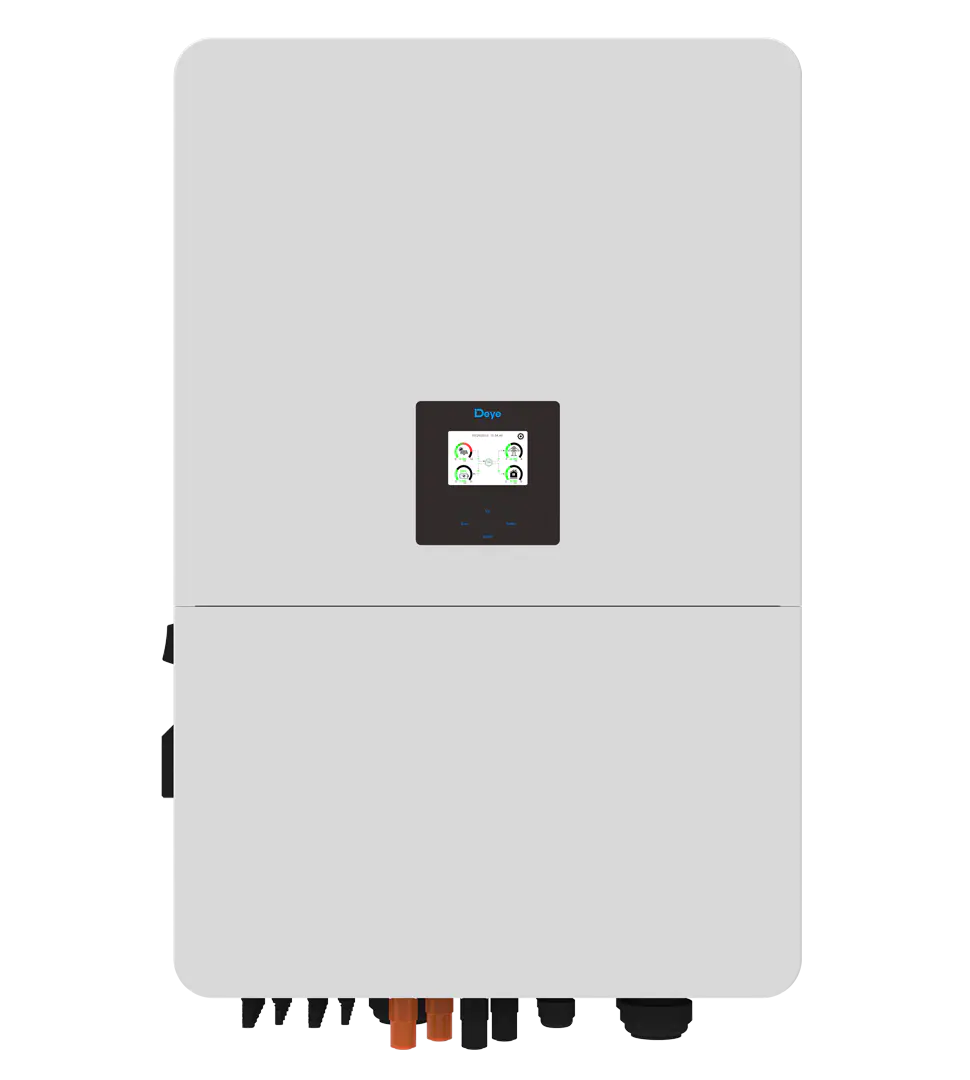
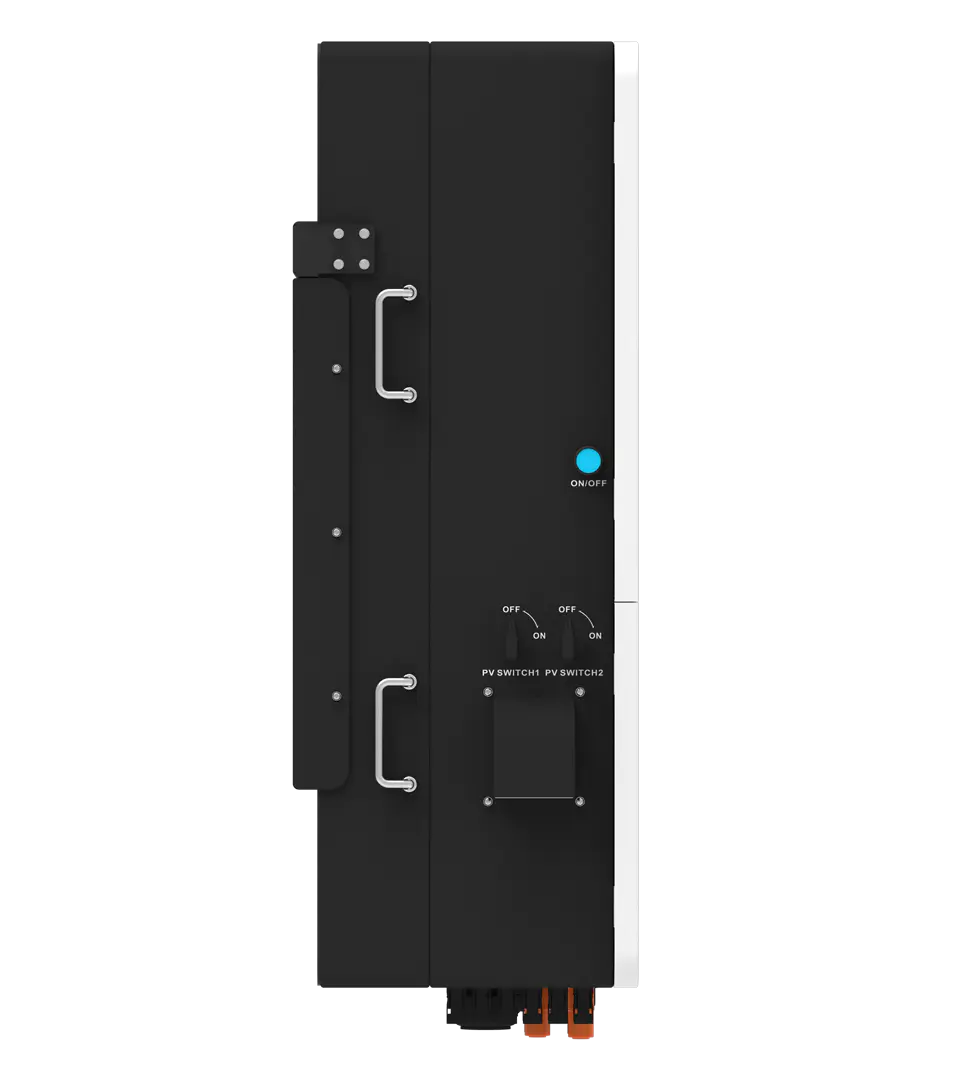
Description
Power cuts cost businesses money every single day. Diesel bills eat into margins. Machines stop, cold rooms warm up, and staff sit idle.
An 80kva inverter solves this problem at scale. It replaces unreliable supply with stable, clean, three-phase power.
This page explains the Deye 80KW Hybrid Inverter in plain language. You will learn what it does, who needs it, how to size a system around it, and what to ask before you buy.
I have kept the technical detail practical. Every number below comes from the product specification.
Why the Deye 80KW Is the 80kva Inverter Serious Buyers Choose
The Deye 80KW is a three-phase hybrid inverter built for large loads. It runs on-grid and off-grid. It accepts high voltage lithium-ion batteries. It also takes input from a diesel generator.
Most buyers search for this machine as an 80kva inverter. Deye rates it in kilowatts, so the official name is Deye 80KW. For planning, the two terms describe the same power class.
This 80kva inverter suits factories, hospitals, hotels, schools, malls, cold storage depots and gated estates. It is available for nationwide distribution and comes with full technical support.
Reason 1: Three-Phase Power for Heavy Commercial Loads
A small home inverter cannot run a factory. Industrial motors, chillers, compressors and lifts need three-phase supply.
The Deye 80KW delivers three-phase output. That means your motors run as designed. They draw balanced current and run cooler.
What 80KW Looks Like in Real Terms
At 400V three-phase, 80KW draws about 115A per phase at full load. That is enough to run:
- Several 20HP motors at the same time
- A full floor of air conditioners
- Cold room compressors with lighting and office loads
- A borehole pump station and a small production line together
An 80kva inverter is a serious asset. Size it well and it carries your whole site.
100% Unbalanced Output Support
Real sites never load three phases evenly. One phase carries lighting. Another carries sockets. A third runs a welding machine.
This inverter supports 100% unbalanced output across phases. You can load one phase fully while the others sit idle. The machine does not trip or derate for that reason.
Many cheaper units cannot do this. It is a major reason the Deye 80KW wins on commercial sites.
Reason 2: Hybrid Design That Works On-Grid and Off-Grid
A hybrid 80kva inverter handles three power sources in one cabinet: solar, battery and utility. It can also take a generator.
On-grid, it feeds solar power into your building and cuts your electricity bill. Off-grid, it keeps your site running when the utility fails.
Smooth Switching During Outages
When the grid drops, the inverter moves to battery and solar power. Your equipment keeps running. Sensitive loads such as servers and medical devices stay online.
That protects revenue, data and equipment. One unplanned shutdown can cost more than a month of diesel.
AC-Coupled Design for Retrofits
Do you already have a solar array with string inverters? The AC-coupled design lets you add this 80kva inverter and a battery bank without scrapping your existing system.
Your old panels keep earning. The Deye 80KW simply adds storage and backup control. This saves capital and shortens installation time.
Reason 3: Compatible With High Voltage Lithium-Ion Batteries
The Deye 80KW accepts batteries from 160V to 1000V. This wide window gives you room to choose.
High voltage batteries run at lower current for the same power. Lower current means thinner cables, less heat and smaller losses.
Battery Current Limits Explained
The inverter supports a maximum charge and discharge current of 160A. Power equals voltage multiplied by current. At 500V, 160A gives 80KW. At 600V, it gives 96KW.
This tells you something useful. To reach full 80KW output from the battery side, your pack should sit near 500V or higher.
When you plan an 80kva inverter system, match the battery voltage to this current limit. Our team can help you do the math before you order.
Why Lithium-Ion Beats Lead-Acid Here
- Longer cycle life, often several thousand cycles
- Deeper usable discharge
- Faster charging from solar
- Smaller footprint
- No watering or acid maintenance
For a commercial 80kva inverter installation, lithium usually gives a lower cost per kWh over its life. If you want a smaller starting point first, see our 5kVA complete solar system to compare how lithium packages are built.
Reason 4: Diesel Generator Support Cuts Your Fuel Bill
Most large sites already own a generator. The Deye 80KW treats it as one more power source, not a competitor.
With generator input, the inverter can charge batteries from the generator when solar and grid are both unavailable. It can also run loads directly from generator power.
How This Saves Money
Generators burn the most fuel when they idle at low load. They run best at high, steady load.
With a hybrid 80kva inverter, the generator starts, charges the batteries at an efficient load, then shuts off. The batteries carry the site afterwards. Run hours drop. Servicing intervals stretch. Fuel spend falls.
Many sites cut generator run time sharply once solar and storage are in place. Your results depend on load profile and battery size.
Planning Your Generator Size
Size the generator to cover site load plus battery charging. Ask your installer for a load study first. A good rule is to leave a margin so the generator never runs at its limit.
You can read basic guidance on generator and hybrid integration from the U.S. Department of Energy.
Reason 5: Efficiency That Saves Real Money
Efficiency decides how much of your solar energy becomes usable power. The Deye 80KW posts strong figures.
- Maximum inverter efficiency: 98.7%
- Euro efficiency: 98.1%
- MPPT efficiency: above 99%
What 98.7% Means at 80KW
At full load, a 98.7% efficient machine loses about 1.04KW as heat. A 95% efficient unit would lose 4KW at the same load.
That gap of about 3KW runs all day. Over a year, it adds up to thousands of kilowatt-hours. Over the life of an 80kva inverter, the saving is large.
Why Euro Efficiency Matters
Peak efficiency looks good on paper. Euro efficiency is a weighted average across different load levels. It reflects real operation better.
A Euro efficiency of 98.1% shows the Deye 80KW stays efficient when load rises and falls through the day.
MPPT Above 99%
Maximum Power Point Tracking pulls the most energy from your panels as sun conditions change. You can learn how it works on Wikipedia’s MPPT page.
An MPPT efficiency above 99% means almost no solar harvest is wasted at the input stage.
Reason 6: Scale Up With Parallel Operation
Businesses grow. Loads grow with them. A fixed-size inverter forces a costly replacement.
The Deye 80KW supports up to 10 units in parallel, on-grid and off-grid. Ten units give 800KW.
Start Small, Expand Later
Install one 80kva inverter today. Add a second unit next year when your factory adds a line. Your original investment stays useful.
This is also a safety advantage. If you run two or three units in parallel, the system can keep supplying power even if one unit needs service, provided your load is within the remaining capacity.
Ideal for Estates and Industrial Parks
Residential estates with 200 or more homes can use parallel 80kva inverter banks as a community power plant. Industrial parks can share a central solar and storage yard.
If you are comparing smaller options for a single building, use our solar sizing calculator to estimate your daily load before moving up to this class.
Reason 7: Smart Control, Monitoring and Protection
A large system needs good control. The Deye 80KW provides it.
Six Adjustable Time Periods
You can set six time windows for battery charging and discharging. This allows time-of-use strategies.
For example, you can charge batteries during cheap grid hours or peak sun. You can discharge during expensive tariff periods or the evening peak. The 80kva inverter follows your schedule automatically.
Remote Monitoring Options
Monitoring works over WiFi, GPRS, LAN or Bluetooth. 4G is optional.
You can see energy yield, battery status and faults from your phone or office computer. Facility managers can catch problems before they cause downtime.
Advanced Protection Features
The Deye 80KW includes:
- DC and AC surge protection
- Anti-islanding protection
- Thermal protection
- Short circuit protection
Surge protection matters in Nigeria. Lightning and grid spikes destroy electronics every rainy season. Anti-islanding protects utility workers by stopping export when the grid is down.
IP65 for Outdoor Installation
IP65 means the enclosure is dust-tight and resists water jets. You can mount this 80kva inverter outdoors under a simple shelter.
Still, give it shade and airflow. Heat shortens the life of any power electronics.
Who Should Buy an 80kva Inverter?
Not every site needs this capacity. Here is a simple guide.
| Site type | Typical load | Fit for 80KW? |
|---|---|---|
| Small shop or home | 1 to 10KW | No, too large |
| Medium office block | 20 to 60KW | Yes |
| Factory or workshop | 40 to 150KW | Yes, single or parallel |
| Hotel or hospital | 50 to 200KW | Yes, parallel |
| Estate or mini-grid | 100KW and above | Yes, parallel |
If your peak demand is below 30KW, a smaller unit will serve you better and cost less. Our team will tell you honestly if an 80kva inverter is more than you need.
Signs You Have Outgrown a Smaller Inverter
- Your current unit trips under motor start-up
- You run a generator for more than six hours daily
- You pay high demand charges
- You want to add more solar but cannot
How to Size a System Around the Deye 80KW
Good sizing prevents disappointment. Follow these steps.
Step 1: Measure Your Load
Collect your electricity bills for 12 months. Note peak demand in KW and monthly energy in kWh. Better still, install a power logger for two weeks.
Step 2: Decide Your Backup Time
How many hours must the site run without grid or generator? Two hours needs a modest battery. Eight hours needs a much larger one.
For an 80KW load, one hour of backup needs about 80kWh of usable battery. Eight hours needs about 640kWh. Most sites do not back up the full load. They protect critical circuits only.
Step 3: Size the Solar Array
A common starting point is a solar array of 100 to 130KWp for an 80kva inverter. The right figure depends on your roof or land area, your daytime load and your budget.
In Lagos, expect roughly 4 to 5 peak sun hours daily. You can verify local solar data on the Global Solar Atlas.
Step 4: Match Battery Voltage
Choose a lithium pack between 160V and 1000V. Aim near 500V or higher to use the full 160A current rating.
Step 5: Plan Cables, Breakers and Earthing
Use correctly rated cables and protection devices. Good earthing and surge arrestors protect your investment. Poor installation voids warranties and causes fires.
Installation Best Practices
A powerful 80kva inverter needs a proper installation. Keep these points in mind.
- Mount on a solid wall or frame rated for the weight
- Leave clearance around the unit for cooling
- Keep DC cable runs short and well labelled
- Use certified installers with commercial experience
- Commission with a full test, including a simulated grid failure
We supply technical support for every Deye 80KW we distribute. Your installer can contact us at any stage.
Deye 80KW vs Other Ways of Powering a Large Site
| Option | Fuel cost | Noise | Maintenance | Scalability |
|---|---|---|---|---|
| Diesel generator only | Very high | High | Frequent | Limited |
| Grid plus generator | High | High | Frequent | Limited |
| Deye 80KW hybrid system | Low | Silent | Low | Up to 800KW |
The hybrid option costs more at the start. It pays that back through lower fuel and service costs. Many commercial users reach payback in a few years, depending on diesel prices and usage.
Warranty, Support and Distribution
The Deye 80KW comes with a 5-year warranty. That is a strong commitment for a machine of this size.
We distribute nationwide. We also provide technical support for sizing, installation and commissioning.
For product background, visit the official Deye website. For Nigerian electricity regulation and licensing guidance on larger systems, check the Nigerian Electricity Regulatory Commission.
What to Ask Before You Buy
- Is the unit new, sealed and covered by the full 5-year warranty?
- Who handles warranty claims in Nigeria?
- Can the seller supply a load study and a system design?
- Is commissioning included?
- What is the delivery timeline to your state?
A good supplier answers every one of these clearly. Be careful of any 80kva inverter offer that is vague on warranty terms.
Maintenance Tips for a Long Service Life
A Deye 80KW needs little attention. A few habits keep it running well.
- Check the heat sinks and fans every three months
- Clean dust from vents
- Inspect cable lugs for heat marks
- Review monitoring data weekly
- Update firmware when advised
Keep a log of faults and settings. It helps your technician diagnose problems quickly.
Frequently Asked Questions About the 80kva Inverter
What is an 80kva inverter used for?
An 80kva inverter powers large commercial, industrial and estate loads. It converts DC from solar and batteries into three-phase AC, and it can work with the grid and a diesel generator together.
Is the Deye 80KW the same as an 80kva inverter?
Deye rates this model in kilowatts. In the market, buyers call it an 80kva inverter because both terms describe the same power class. Exact kVA depends on the power factor of your load.
Can the Deye 80KW run without the grid?
Yes. It supports off-grid operation using solar and battery power, and it accepts a diesel generator input. It also works on-grid, so one machine covers both modes without extra equipment.
Which batteries work with this inverter?
It works with high voltage lithium-ion batteries from 160V to 1000V. The maximum charge and discharge current is 160A, so pick a pack voltage that matches your required output.
How many units can run in parallel?
Up to 10 units can run in parallel, on-grid and off-grid. That gives a combined capacity of 800KW, which suits estates, industrial parks and growing factories.
Can I install it outdoors?
Yes. The IP65 rating makes it dust-tight and resistant to water jets. Still, place it in shade with good airflow, because heat reduces the working life of any inverter.
How long is the warranty?
The Deye 80KW carries a 5-year warranty, backed by full technical support. Keep your invoice and installation records, because a claim needs proof of purchase and correct installation.
Can I add it to existing solar panels?
Yes. The AC-coupled design lets you retrofit this inverter and a battery bank to an existing solar system, so your current string inverters keep producing power.
Get Your 80kva Inverter Quote Today
The Deye 80KW is built for businesses that cannot afford downtime. It offers three-phase output, 98.7% efficiency, generator support, parallel scaling to 800KW and a 5-year warranty.